


Call us now
07971258160

 Send Inquiry
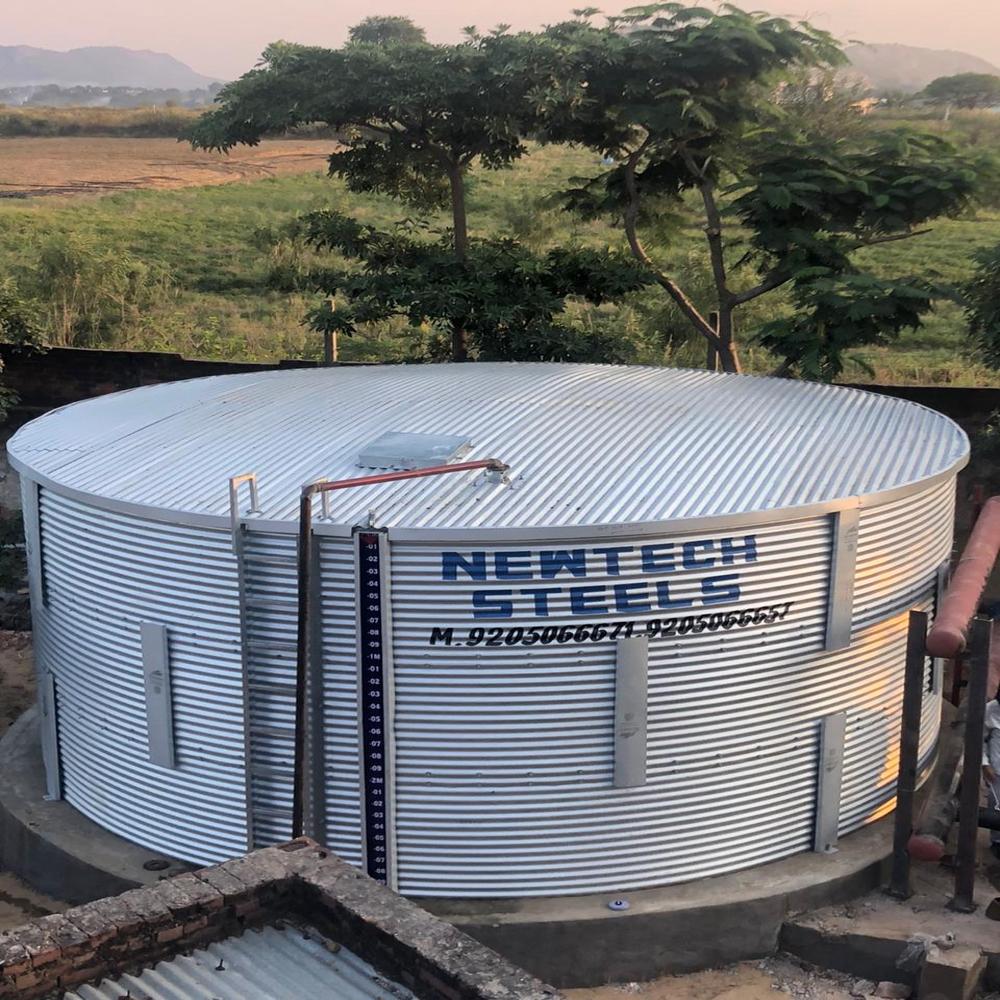
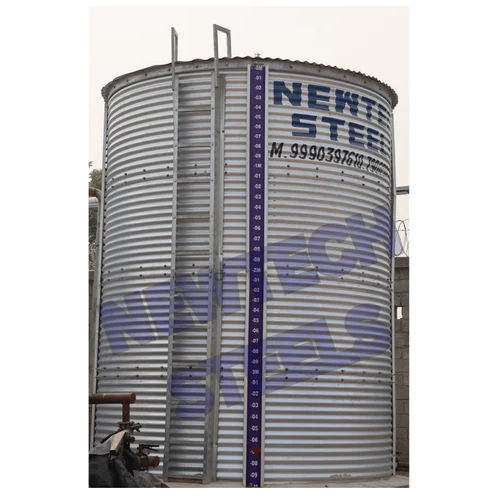
Fire Hydrant Steel Storage Tank
Price 10000.0 INR/ Unit
Fire Hydrant Steel Storage Tank Specification
- Material
- Mild Steel (MS), Galvanized Steel
- Tolerance
- 5 mm
- Shape
- Cylindrical Vertical
- Storage Material
- Water, Firefighting Water
- Thickness
- 4 mm to 30 mm
- Temperature
- -10C to 55C
- Condition
- NEW
- Grade
- IS 2062/E250 or Equivalent
- Capacity
- 10,000 to 300,000 liters
- Processing
- Hot Rolled and Welded
- Application
- Industrial
- Dimension (L*W*H)
- Diameter: 3-15 meters, Height: 5-20 meters (customizable)
- Size
- Custom
- Product Type
- Steel Storage Tank
- Color
- Silver
- Installation Type
- On-Site Erection
- Service Life
- More than 20 Years
- External Ladder & Railing
- Provided for Access and Safety
- Maintenance
- Low Maintenance Required
- Surface Treatment
- Galvanized, Anti-corrosive Paint
- Corrosion Resistance
- High Corrosion Resistance
- Manhole
- Provided for Cleaning and Inspection
- Foundation
- Concrete Base Required
- Customization
- Available as per Client Requirement
- Leakage Test
- Hydrostatic Tested for Zero Leakage
- Color
- Silver/Grey or as required
- Roof Type
- Dome or Flat Roof (Option Available)
- Design Standards
- IS 803, IS 875, NFPA Guidelines
Fire Hydrant Steel Storage Tank Trade Information
- Minimum Order Quantity
- 1 Piece
- Payment Terms
- Cash in Advance (CID)
- Supply Ability
- 50 Pieces Per Month
- Delivery Time
- 7 Days
- Main Domestic Market
- All India
About Fire Hydrant Steel Storage Tank
- Materials: Commonly constructed from high-tensile corrugated steel, galvanised steel, or zinc-aluminum alloy (Zincalume/Galvalume) to prevent corrosion and withstand extreme weather. [1, 2, 3, 4, 5]
- Capacity: Ranges from compact 10,000 to 50,000-liter units for smaller properties, and can scale into multi-million liter reservoirs for industrial facilities. [1, 2, 3, 4]
- Design: Prefabricated bolted panel designs are standard, allowing for modular assembly, flexible capacity customization, and easier transportation. [1
Superior Durability and Corrosion Resistance
Our tanks benefit from advanced surface treatments, including galvanization and anti-corrosive coatings, ensuring exceptional performance even in tough industrial settings. Designed for long-term use, their high resistance to corrosion and robust material strength provide security for your firefighting water reserves.
Flexible Installation and Custom Options
Each tank is built for on-site erection atop a concrete foundation, with customization available to meet your precise application needs. Whether you need a specific diameter, height, or capacity, we work with you to match your project's requirements, ensuring seamless integration into your facility.
Designed for Safety and Easy Maintenance
Featuring external ladders, railings, and a dedicated manhole, routine inspections and cleaning are simple and safe. The tanks require minimal maintenance, making them a cost-efficient, worry-free solution for fire safety infrastructure.
FAQ's of Fire Hydrant Steel Storage Tank:
Q: How is the Fire Hydrant Steel Storage Tank installed on-site?
A: Installation is carried out on a concrete foundation at your location by our professional team. The tanks are erected piece by piece, followed by thorough hydrostatic testing to ensure zero leakage before commissioning.Q: What materials and surface treatments are used for corrosion protection?
A: The tanks are fabricated from Mild Steel (MS) or Galvanized Steel, then treated with galvanization and anti-corrosive paint. This multi-layer approach delivers enhanced protection against rust and environmental aggression, in line with IS 803, IS 875, and NFPA guidelines.Q: When is hydrostatic leakage testing conducted, and what does it ensure?
A: Hydrostatic testing is performed after assembly and before the tank is put into service. This test verifies structural integrity and ensures that the tank is completely free from leakage, providing confidence in long-term water containment.Q: Where can these tanks be used, and for what applications are they suitable?
A: These tanks are ideal for industrial facilities needing reliable storage of firefighting water. Their customizable design suits factories, warehouses, plants, and other commercial or industrial premises requiring large water reserves for fire safety compliance.Q: What is the benefit of having an external ladder, railing, and manhole on the tank?
A: The external ladder and safety railing provide secure access for inspection and maintenance, while the manhole allows for thorough cleaning and internal inspection, ensuring the tank's ongoing performance and safety.Q: How does customization work for tank dimensions and roof types?
A: We offer tanks in various diameters (3-15 meters), heights (5-20 meters), thicknesses (4-30 mm), and capacities (10,000-300,000 liters). You can also select between a dome or flat roof, with all features tailored to your project's specific requirements.Q: What maintenance is required, and how does the tank's design ensure a long service life?
A: Minimal maintenance is needed due to the superior anti-corrosive treatments and durable construction. Regular inspections via the manhole and exterior ladder further support an operational lifespan of over 20 years.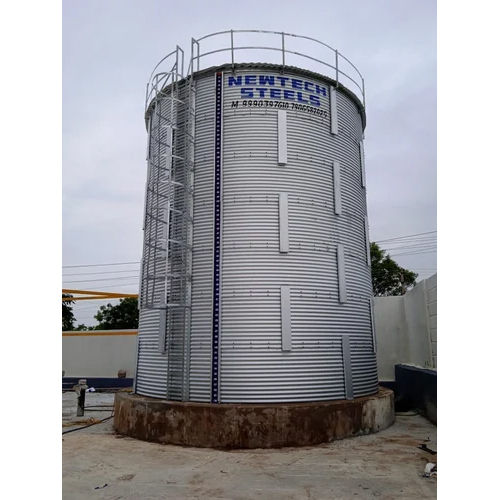

Price:
- 50
- 100
- 200
- 250
- 500
- 1000+

More Products in Zinc Aluminium Water Tank Category
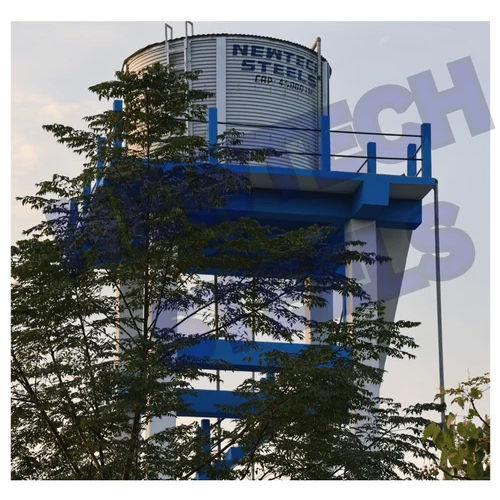
Zincalume Storage Tanks
Price 50017.0 INR / Unit
Minimum Order Quantity : 1 Piece
Application : Water Storage Tank
Color : Grey
Product Type : Zinc Aluminium Water Storage Tank
Condition : NEW
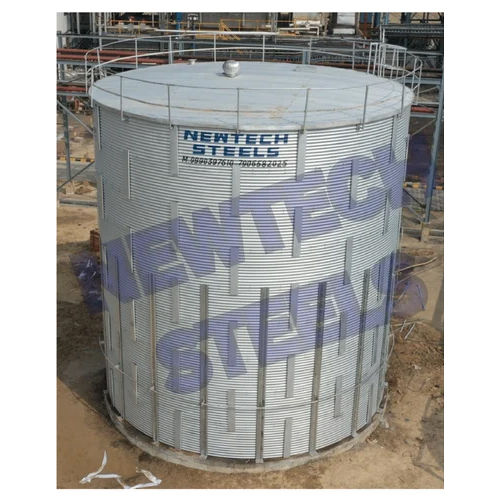
600 KL Fire Fighting Water Storage Tank
Price 8.75 INR / Liter
Minimum Order Quantity : 10000 Liters
Application : Industrial
Color : Grey paint coated
Product Type : Fire Fighting Water Storage Tank
Condition : NEW
Modular Tank
Price 4 INR / Unit
Minimum Order Quantity : 1 Liter
Application : Industrial
Color : Grey
Product Type : Zinc Aluminium Water Storage Tank
Condition : NEW
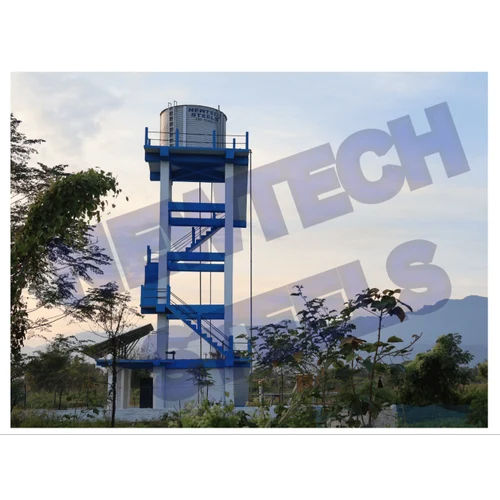
80 KL Overhead Water Storage Tank
Minimum Order Quantity : 1 Unit
Application : Water storage for domestic, industrial, agricultural, and municipal use
Color : Grey paint coated
Product Type : Overhead Water Storage Tank
Condition : NEW

GST : 09AAKCN1896Q1ZE

|

 Send Inquiry
Factory : F-47, Bulandshahr Road Industrial Area, Ghaziabad - 201009, Uttar Pradesh, India
 Send Inquiry
 Send SMS
Developed and Managed by Infocom Network Private Limited.

